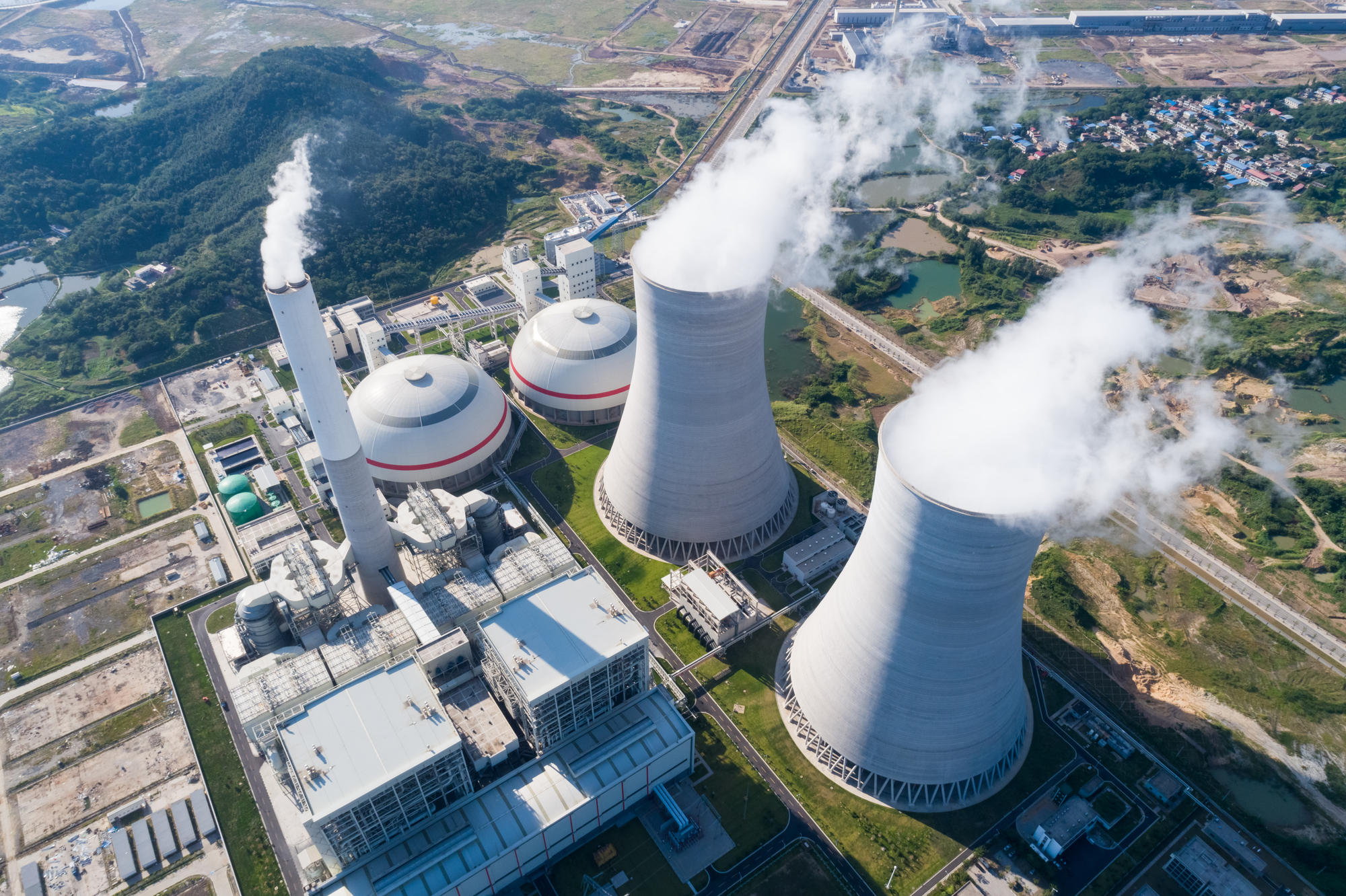
Brownfield projects occupy a unique and sometimes uncomfortable space within the world of construction, engineering, and industrial development. Unlike greenfield work, which begins on untouched land and offers the clean simplicity of starting from zero, brownfield environments come with baggage. They may be cluttered with ageing infrastructure, outdated equipment, undocumented modifications, legacy contamination, or operational constraints that resist tidy planning. And yet, brownfields are everywhere: in refineries that require expansion, manufacturing plants that need modernisation, and power stations that must adapt to new environmental standards.
As the world shifts toward more sustainable resource use, entirely new facilities are becoming increasingly rare. Reusing, upgrading, or repurposing existing sites is often more cost-effective and more environmentally responsible. But this path is rarely easy. Understanding the challenges and the strategies that actually work to mitigate them can be the difference between a brownfield project that struggles from day one and one that succeeds despite its complexity.
The Complexity of Legacy Information
One of the most pervasive issues in brownfield environments is the scarcity or unreliability of existing documentation. Drawings might be outdated, maintenance records incomplete, and underground utilities missing from site plans. Sometimes the “as-built” drawings represent someone’s optimistic idea of what should have been built, not what actually exists.
Mitigation Strategies
- Comprehensive site surveys: Laser scanning, drone imaging, and subsurface utility detection can provide highly accurate information before the first shovel hits the ground.
- Document reconciliation workshops: Cross-functional reviews—engineering, operations, maintenance—often surface tribal knowledge that never made it into formal documentation.
- Incremental validation during design: Instead of assuming conditions, design teams build in checkpoints for early field verification, reducing painful surprises later.
Ageing Infrastructure and Unknown Conditions
Old structures come with mysteries. Corroded pipelines, degraded foundations, obsolete electrical systems, and undocumented modifications all pose serious risks. Even when something appears intact, its real condition may only reveal itself when the project is already underway.
Mitigation Strategies
- Early-life condition assessments: Structural studies, non-destructive testing, and sample extractions provide a glimpse of how much margin remains.
- Risk-based design allowances: Engineers can incorporate contingencies such as reinforcement options, alternate routing, or modular components.
- Flexible procurement strategies: Long-lead items and specialty repair materials may need to be secured early or pre-specified with alternatives to react to findings in the field.
Operational Constraints and Limited Shutdown Windows
Many brownfield sites are active, revenue-generating facilities. Shutting down a line or isolating an area can trigger ripple effects across production schedules or customer commitments. Sometimes the allowable outage window is so narrow that even minor delays jeopardise the entire project.
Mitigation Strategies
- Parallel construction when possible: Pre-assembly, offsite fabrication, and modularization allow teams to build while the facility continues to operate.
- Shutdown-centric scheduling: Instead of fitting work into a generic timeline, planning revolves around the shutdown window, with detailed sequencing and “what-if” simulations.
- Deep coordination with operations: Early and continuous dialogue with plant operators ensures that planned outages are realistic and that the project respects operational realities.
Safety Considerations in Active Facilities
Active brownfield sites create a safety environment far more complex than a clear greenfield. Hazards might include confined spaces, hazardous materials, ageing equipment without modern safeguards, or the proximity of live systems—electrical, mechanical, or chemical.
Mitigation Strategies
- Tailored safety plans custom to the site’s history: Generic safety plans aren’t enough; teams must account for specific legacy risks.
- Isolation and tagging rigour: Enhanced lockout/tagout procedures, temporary barriers, and clear demarcation of active and non-active zones are essential.
- Training with scenario-based drills: Workers must understand how routine tasks change when performed inside a live, older facility.
Stakeholder Complexity
Brownfield projects typically involve more stakeholders—and more emotionally invested ones—than greenfield projects. Operations teams may worry about disruptions. Maintenance teams may be protective of systems they’ve patched for decades. Environmental regulators often scrutinise these projects more closely because contamination risks are higher.
Mitigation Strategies
- Transparent communication channels: Weekly briefings, visual planning boards, and shared digital platforms foster alignment.
- Early engagement with regulators: Proactive dialogue is far better than reactive justification after an inspection.
- Cross-functional project teams: Integrating maintenance, operations, engineering, and safety early reduces downstream conflicts.
Environmental and Contamination Concerns
Perhaps the most sensitive brownfield challenge involves environmental conditions. Contaminated soil, groundwater issues, asbestos, or legacy chemicals can halt work until specialists intervene. Regulatory requirements differ widely and can impose constraints that reshape the project mid-stream.
Mitigation Strategies
- Environmental site assessments (Phase I and II): These evaluations identify contamination risks early and prevent legal or safety surprises.
- Remediation planning built into the project timeline: Rather than treat remediation as an unexpected obstacle, incorporate it into the project’s design.
- Specialized waste-handling partners: Handling hazardous materials demands the right expertise and certified processes.
Design Constraints from Existing Structures
Existing buildings, foundations, and equipment layouts may not accommodate new technology or larger capacities. Engineers may find themselves redesigning around tight spaces, incompatible load paths, or misaligned utilities.
Mitigation Strategies
- 3D modeling and clash detection: Digital twins help visualize constraints and reduce conflicts before construction.
- Creative engineering solutions: Structural reinforcement, custom supports, or compact modular equipment may be needed.
- Phased demolition and rebuild: Sometimes a limited demolition of old assets is more cost-effective than trying to force-fit new components.
Cost and Schedule Uncertainty
The final common thread in all brownfield challenges is uncertainty. Unknown conditions translate into unpredictable costs and delays. Traditional estimation methods, which assume a certain level of predictability, often fall short.
Mitigation Strategies
- Contingency buffers: Both budget and schedule should include realistic contingencies proportionate to the uncertainty.
- Progressive estimating: Estimates are refined as new information is gathered, reducing late-stage surprises.
- Transparent risk registers: Shared risk logs help ensure teams address issues proactively rather than reactively.
Why Brownfield Projects Matter
Despite their difficulties, brownfield projects are essential. They allow industries to extend the life of existing assets, reduce environmental impact, avoid the cost and land consumption of building entirely new facilities, and adapt quickly to new technologies or regulations. In a world increasingly focused on sustainability and resource efficiency, brownfield work is not just practical—it is often the only responsible option.
But success requires humility and preparation. Brownfields reward teams that respect complexity, anticipate risks, and ground their strategies in real-world conditions rather than textbook simplicity.
Conclusion
Brownfield projects are puzzles—messy, layered, and filled with surprises. Their challenges span engineering, safety, environmental science, scheduling, and human factors. Yet with thoughtful planning, robust risk management, and a willingness to confront imperfections head-on, they can be executed not only successfully but elegantly.
The key is understanding that brownfield work is less about idealized design and more about adaptive problem-solving. Those who embrace this mindset transform old, constrained spaces into renewed, functional assets—proving that complexity, when managed well, can be an engine for innovation rather than an obstacle.